

-
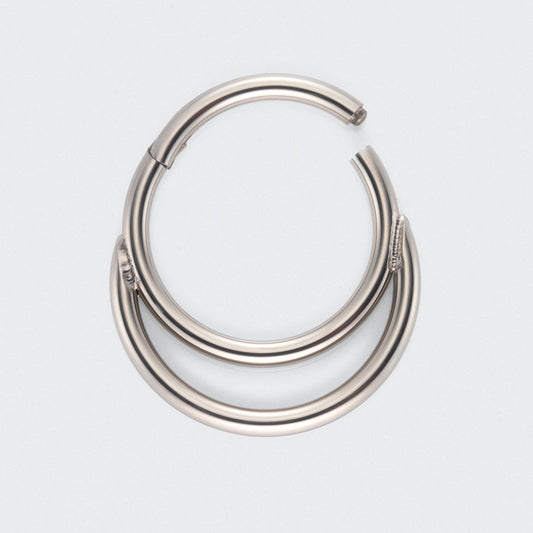
Double Hooped Hinged Segment Hoop Ring in Silver - Titanium
Regular price £11.00Regular price £11.00 Sale priceUnit price per£6.60 with 3+ items -
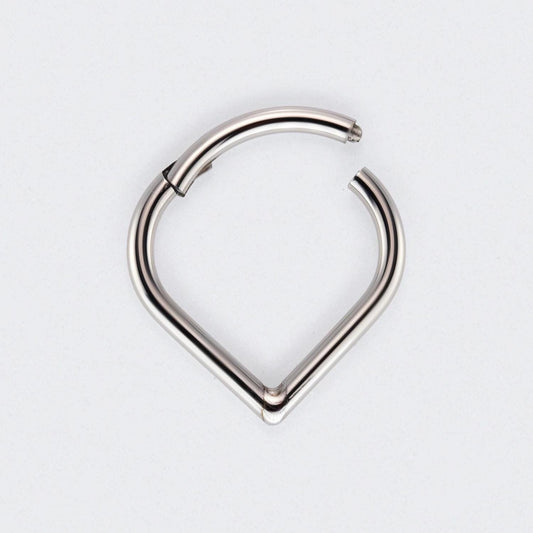
Hollow Heart Shaped Hinged Segment Clicker in Silver - Titanium
Regular price £10.00Regular price £10.00 Sale priceUnit price per£6.00 with 3+ items -
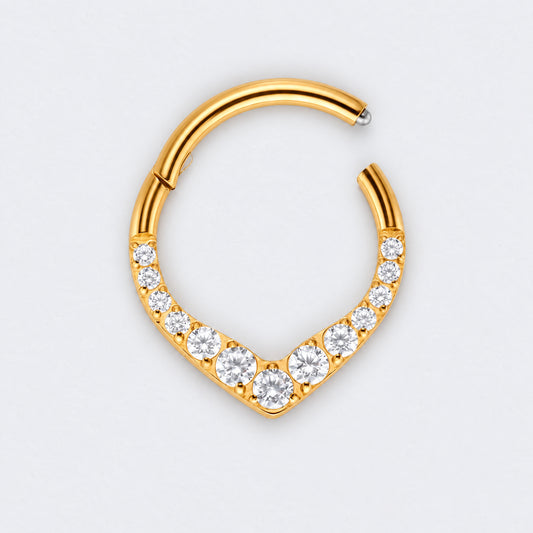
V Shape Teardrop CZ Front Facing Segment Hoop Ring in Gold - Titanium
Regular price £16.00Regular price £16.00 Sale priceUnit price per£9.60 with 3+ items -
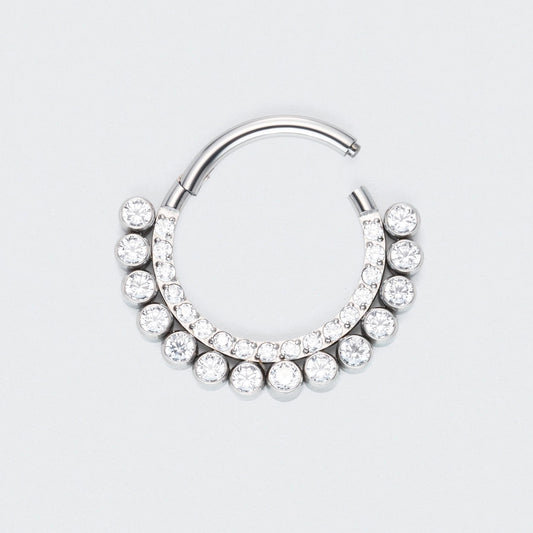
Double CZ Paved Front Face Hoop Segment in Silver - Titanium
Regular price £21.00Regular price £21.00 Sale priceUnit price per£12.60 with 3+ items -
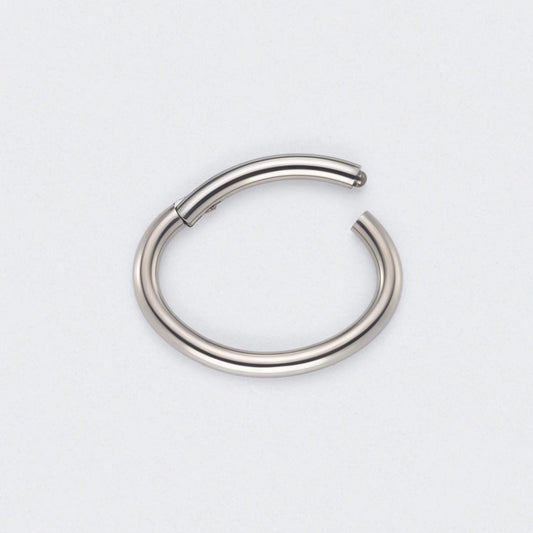
Segment Ring Oval Shape in Silver - Titanium
Regular price £11.00Regular price £11.00 Sale priceUnit price per£6.60 with 3+ items -
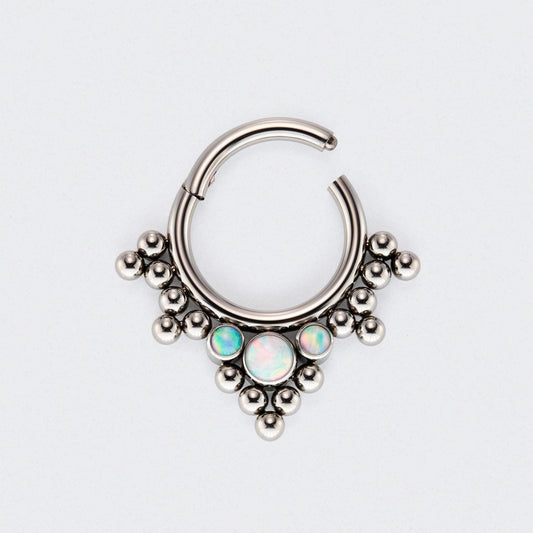
5 Tri-bead Cluster with 3 White Opal Hinged Segment Clicker Hoop Ring in Silver - Titanium
Regular price £16.00Regular price £16.00 Sale priceUnit price per£9.60 with 3+ items -
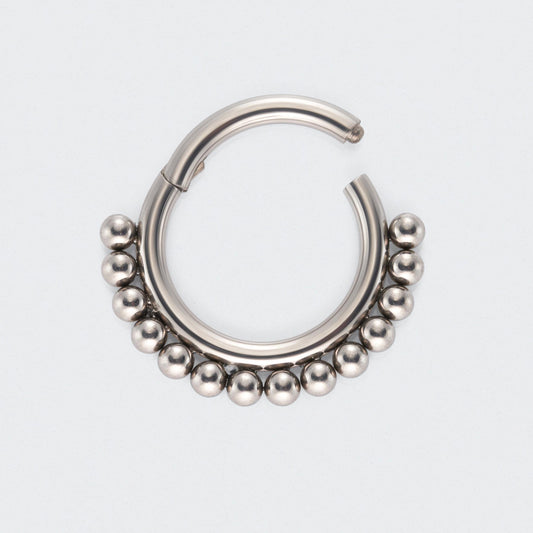
Ball Cluster Hinged Segment Hoop Ring in Silver - Titanium
Regular price £11.00Regular price £11.00 Sale priceUnit price per£6.60 with 3+ items -
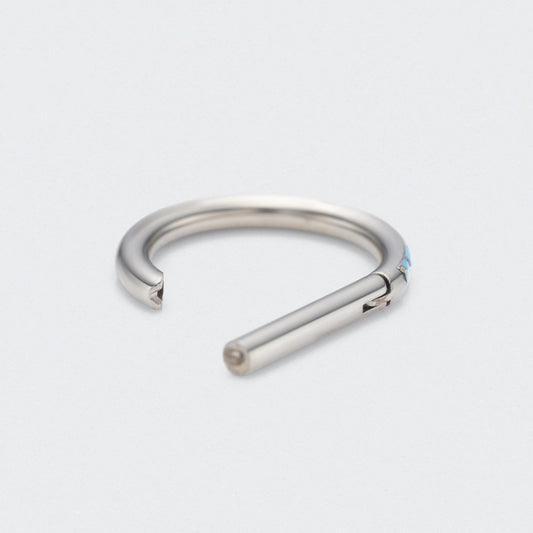
D Shape Half Side Turquoise Paved Hinged Segment Clicker Ring in Silver - Titanium
Regular price £12.00Regular price £12.00 Sale priceUnit price per£7.20 with 3+ items -
Blue Opal Side Facing Segment Hinged Clicker Ring in Silver - Titanium
Regular price £16.00Regular price £16.00 Sale priceUnit price per£9.60 with 3+ items -
Square Cut Face High Polished Segment Ring in Silver - Titanium
Regular price £11.00Regular price £11.00 Sale priceUnit price per£6.60 with 3+ items -
Drip Hinged Segment Hoop Ring in Gold - Titanium
Regular price £11.00Regular price £11.00 Sale priceUnit price per£6.60 with 3+ items -
Black CZ Side Facing Paved Hinged Segment Hoop Ring in Silver - Titanium
Regular price £12.00Regular price £12.00 Sale priceUnit price per£7.20 with 3+ items -
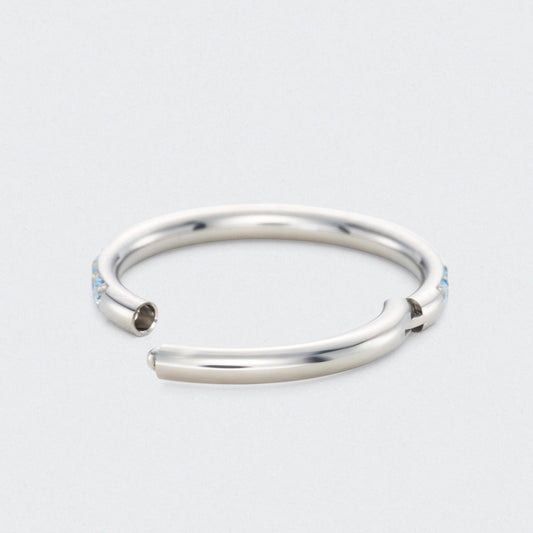
Aqua CZ Side Facing Paved Hinged Segment Hoop Ring in Silver - Titanium
Regular price £12.00Regular price £12.00 Sale priceUnit price per£7.20 with 3+ items -
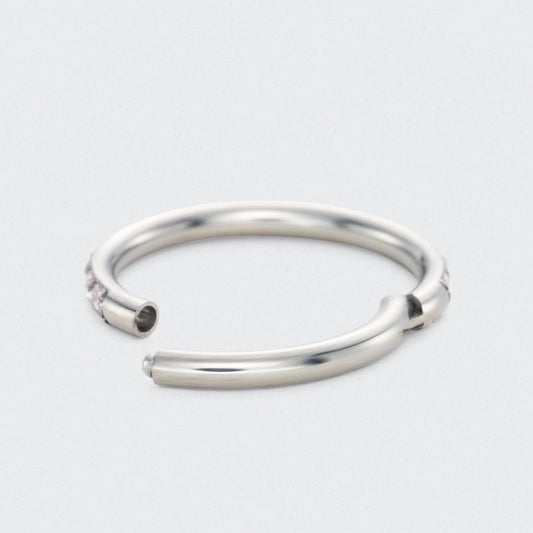
Pink CZ Side Facing Paved Hinged Segment Hoop Ring in Silver - Titanium
Regular price £12.00Regular price £12.00 Sale priceUnit price per£7.20 with 3+ items -
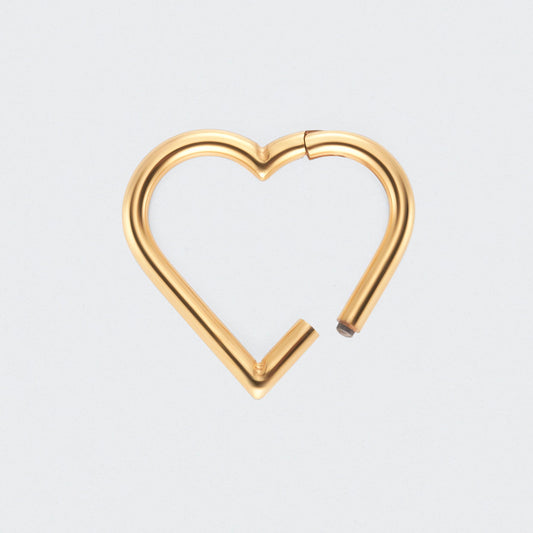
Heart Shaped Segment Clicker Ring in Gold - Titanium
Regular price £11.00Regular price £11.00 Sale priceUnit price per£6.60 with 3+ items -
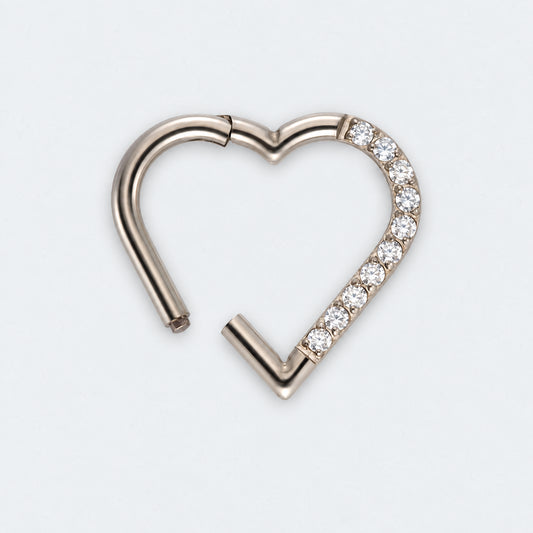
Heart Shaped with Right Facing CZ Segment Clicker Ring in Silver - Titanium
Regular price £12.00Regular price £12.00 Sale priceUnit price per£7.20 with 3+ items -
Luna Dual Halo Double Crystal Side Paved Hinged Segment Hoop in Gold - Titanium
Regular price £13.00Regular price £13.00 Sale priceUnit price per£7.80 with 3+ items -
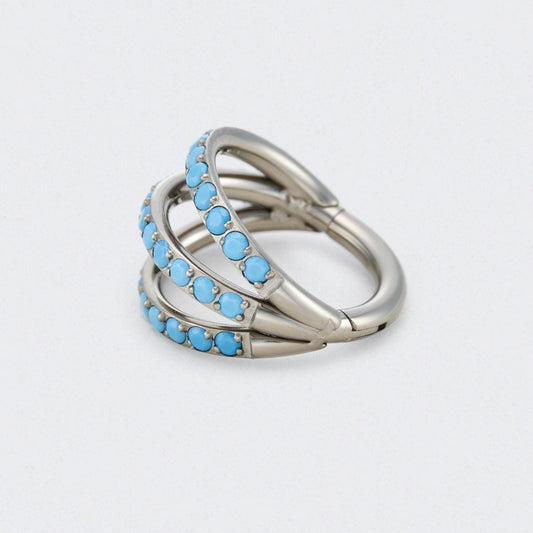
Triple Stacked Septum Ring with Front Facing Turquoise in Silver - Titanium
Regular price £16.00Regular price £16.00 Sale priceUnit price per£9.60 with 3+ items -
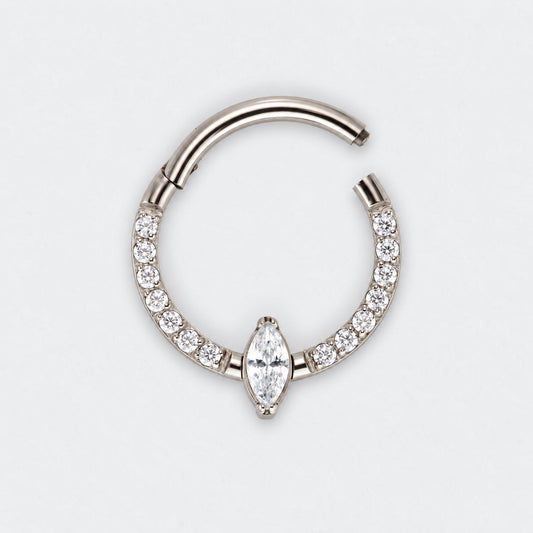
Marquise Stone Centre CZ Front Face Paved Hinged Segment Clicker Ring in Silver - Titanium
Regular price £13.00Regular price £13.00 Sale priceUnit price per£7.80 with 3+ items -
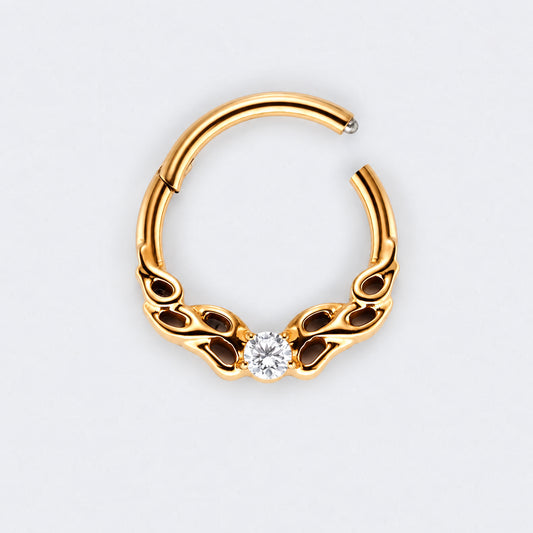
Hollow Pattern With CZ Centre Hinged Segment Hoop Earrings Clicker Ring in Gold - Titanium
Regular price £13.00Regular price £13.00 Sale priceUnit price per£7.80 with 3+ items -
Clear CZ Side Paved Hinged Segment Hoop Ring in Rose Gold - Titanium
Regular price £12.00Regular price £12.00 Sale priceUnit price per£7.20 with 3+ items -
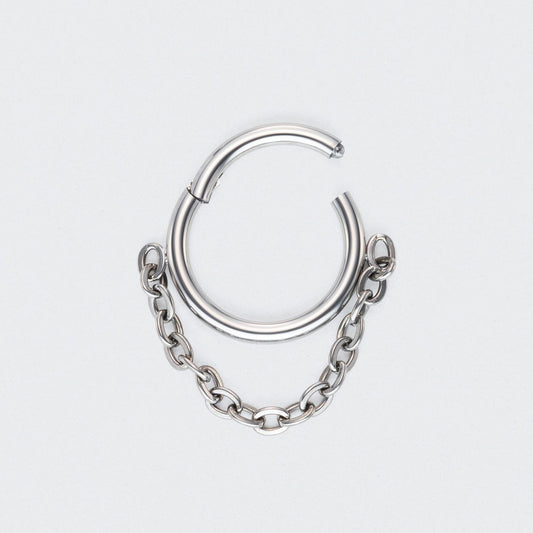
Chain Dangle Hinged Segment Hoop Ring in Silver - Titanium
Regular price £11.00Regular price £11.00 Sale priceUnit price per£6.60 with 3+ items -
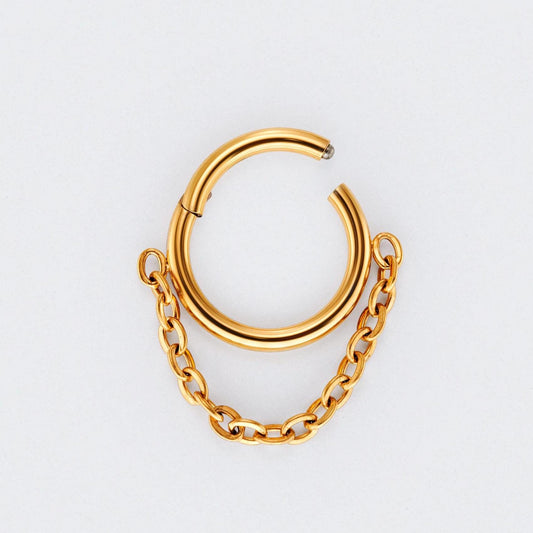
Chain Dangle Hinged Segment Hoop Ring in Gold - Titanium
Regular price £11.00Regular price £11.00 Sale priceUnit price per£6.60 with 3+ items -
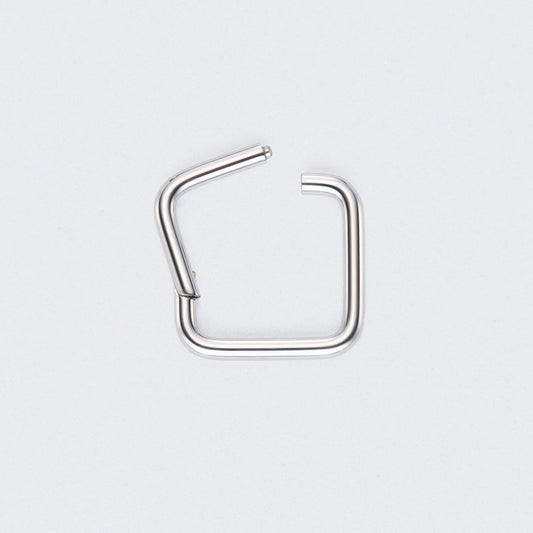
Square Shape Hinged Segment Hoop Ring in Silver - Titanium
Regular price £10.00Regular price £10.00 Sale priceUnit price per£6.00 with 3+ items









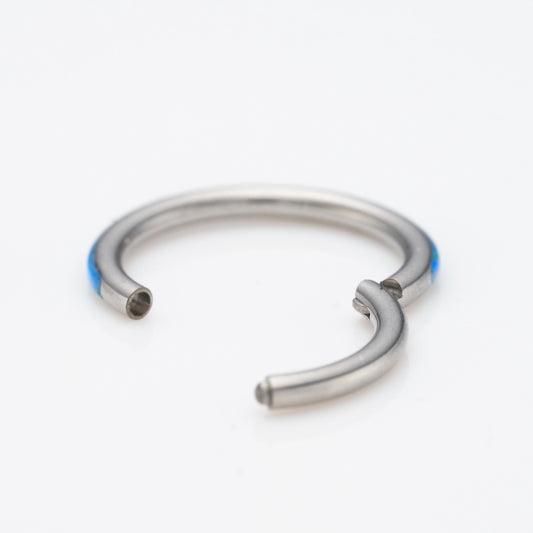

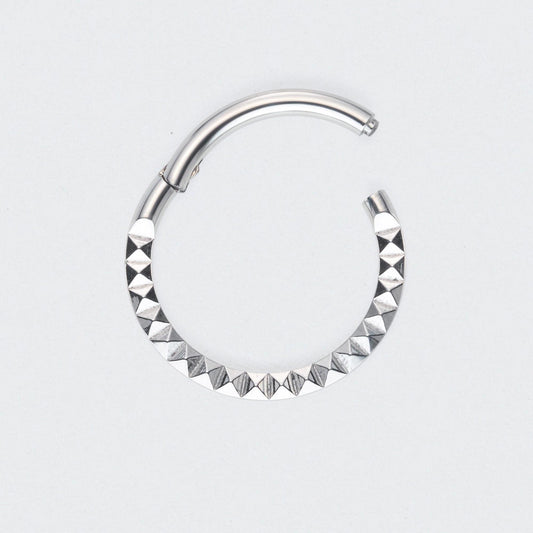

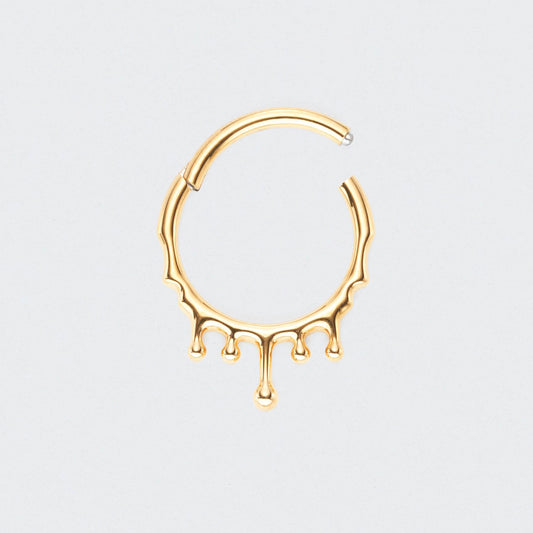

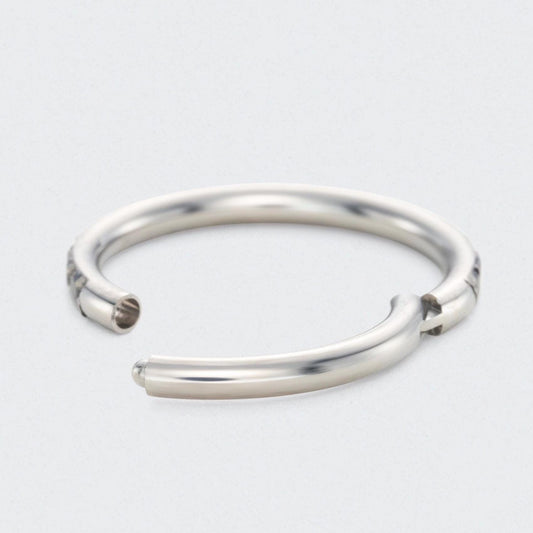












Collection: Septum | Gauge: 16g (1.2mm), 14g (1.6mm) | Recommended Length/Diameter: 8mm to 10mm rings, 6mm to 8mm circular barbells | Material: ASTM F136 Implant-Grade Titanium
The septum piercing passes through the sweet spot, the thin strip of soft tissue just below the cartilage wall dividing the nostrils. Unlike nostril piercings, it can be worn boldly or hidden completely, which is why septum jewellery is the most flexible collection we stock. Hinged clickers and seamless segment rings give a clean look with no visible closure and are easy to fit at home. Circular barbells (horseshoes) can be flipped up inside the nose for work or school. Because the septum sits in the centre of the face and is touched, blown and wiped constantly, ASTM F136 implant-grade titanium matters more here than almost anywhere else. It is nickel-free, hypoallergenic and will not tarnish or react with moisture, so it can stay in through healing and beyond.
What size septum ring do I need?
Most septum piercings take a 16g (1.2mm) ring with an 8mm inner diameter, and 10mm if you prefer a slightly lower, more visible hang. Gauge is the thickness of the bar and must match your piercing; diameter is the size of the circle and is a matter of fit and style. If your piercer used 14g (1.6mm), stay at 14g. When in doubt, measure the jewellery you already own or ask your piercer before ordering.
Septum Jewellery: The Most Versatile Facial Piercing in Implant-Grade Titanium
UK piercers most commonly pierce the septum at 16g (1.2mm), with many clients later moving to 14g (1.6mm) for a bolder ring. A fresh septum is usually fitted with a 16g circular barbell or a small ring of 8mm to 10mm diameter, giving enough room for the tissue to settle without the jewellery pulling downward. Healing is quicker than most cartilage piercings, typically 6 to 8 weeks for the surface and 2 to 3 months before it feels fully settled. Common mistakes include flipping the jewellery up and down too often during healing, going too small in diameter too early, and wearing cheap plated rings that flake and irritate. If it stays sore beyond 3 months, see your piercer rather than swapping jewellery yourself. Many people pair their septum with nose studs, a medusa or philtrum piercing fitted with a flat-back labret, or a matching daith ring for a coordinated look.
How long does a septum piercing take to heal?
A septum piercing typically heals in 2 to 3 months, faster than most cartilage piercings because the sweet spot is soft tissue rather than cartilage. Tenderness usually fades within the first 6 to 8 weeks. During that period, avoid flipping the jewellery, keep saline cleaning to twice a day and do not change the ring yourself. Some people take longer, particularly if the piercing was placed through cartilage, so let your piercer confirm it has settled before switching styles.
Can I hide a septum piercing?
You can hide a septum piercing by wearing a circular barbell (horseshoe) and rotating the ends up into the nostrils, or by using a septum retainer designed to sit out of sight. Wait until the piercing is fully healed before flipping it regularly, because repeated movement irritates fresh tissue. A titanium horseshoe is the most practical option if you need to switch between visible and hidden several times a week.
Is titanium better than surgical steel for a septum piercing?
Titanium is the safer choice for a septum piercing. ASTM F136 implant-grade titanium is nickel-free, so it avoids the reactions that surgical steel can cause in sensitive skin. It is also lighter, which reduces downward pull on a fresh piercing, and it does not corrode in the moist environment inside the nose. Surgical steel is fine for many healed piercings, but for a new septum or anyone with a nickel allergy, titanium lowers the risk of irritation.