

-
Bamboo Cut Hinged Segment Hoop Ring in Gold - Titanium
Regular price £11.00Regular price £11.00 Sale priceUnit price per£6.60 with 3+ items -
Blue Opal Front Facing Hinged Segment Clicker Ring in Silver - Titanium
Regular price £16.00Regular price £16.00 Sale priceUnit price per£9.60 with 3+ items -
V Shape Segment Hinged Hoop Ring in Gold - Titanium
Regular price £11.00Regular price £11.00 Sale priceUnit price per£6.60 with 3+ items -
Ball Centre Hinged Segment Hoop Ring in Silver - Titanium
Regular price £10.00Regular price £10.00 Sale priceUnit price per£6.00 with 3+ items -
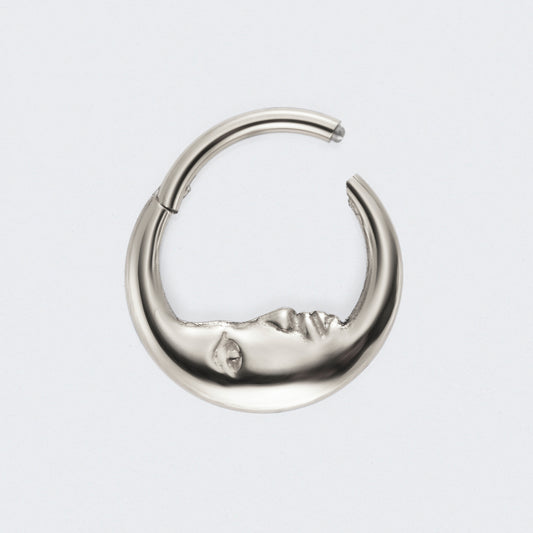
Crescent Moon Face High Polished Segment Ring in Silver - Titanium
Regular price £11.00Regular price £11.00 Sale priceUnit price per£6.60 with 3+ items -
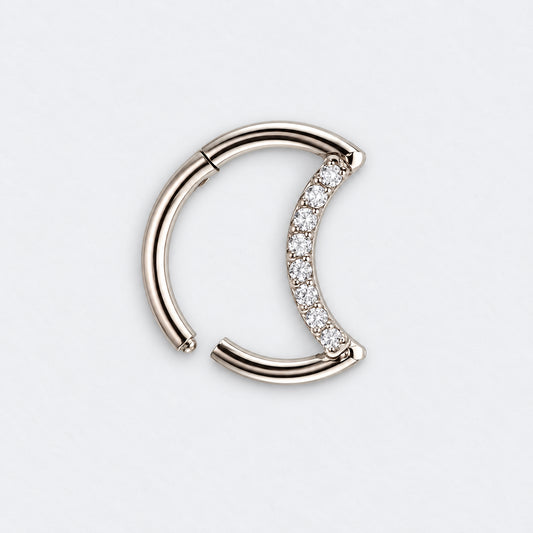
Crescent Moon Shaped with CZ Paved Hinged Segment Hoop Clicker Ring in Silver - Titanium
Regular price £12.00Regular price £12.00 Sale priceUnit price per£7.20 with 3+ items -
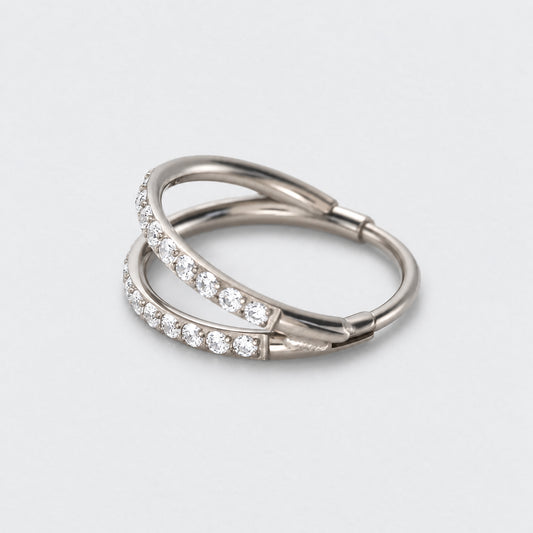
Double Stacked Front Facing CZ Hinged Segment Ring in Silver - Titanium
Regular price £16.00Regular price £16.00 Sale priceUnit price per£9.60 with 3+ items -
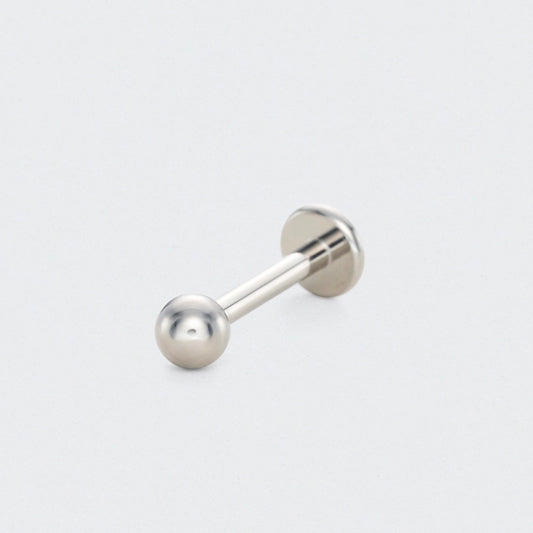
Stud with Ball End in Silver - Titanium
Regular price £10.00Regular price £10.00 Sale priceUnit price per£6.00 with 3+ items -
Side Facing CZ Hinged Segment Clicker Ring in Silver - Titanium
Regular price £12.00Regular price £12.00 Sale priceUnit price per£7.20 with 3+ items -
Purple Opal Side Facing Segment Hinged Clicker Ring in Silver - Titanium
Regular price £16.00Regular price £16.00 Sale priceUnit price per£9.60 with 3+ items -
Purple Opal Front Facing Hinged Segment Clicker Ring - Titanium
Regular price £16.00Regular price £16.00 Sale priceUnit price per£9.60 with 3+ items -
Vintage-Inspired Filigree Segment Hoop Clicker Ring in Gold - Titanium
Regular price £21.00Regular price £21.00 Sale priceUnit price per£12.60 with 3+ items -
Circular Barbell with Balls CZ Front Facing Horseshoe in Gold - Titanium
Regular price £11.00Regular price £11.00 Sale priceUnit price per£6.60 with 3+ items -
White Opal Side Facing Segment Hinged Clicker Ring in Silver - Titanium
Regular price £16.00Regular price £16.00 Sale priceUnit price per£9.60 with 3+ items -
Pink Opal Side Facing Segment Hinged Clicker Ring in Silver - Titanium
Regular price £16.00Regular price £16.00 Sale priceUnit price per£9.60 with 3+ items -
Seamless Hoop in Silver - Titanium
Regular price £10.00Regular price £10.00 Sale priceUnit price per£6.00 with 3+ items -
Large Bumped Cut with CZ Centre Hinged Segment Clicker in Gold - Titanium
Regular price £21.00Regular price £21.00 Sale priceUnit price per£12.60 with 3+ items -
CZ Pave Face With Marquise Stone Centre Hinged Segment Clicker in Gold - Titanium
Regular price £13.00Regular price £13.00 Sale priceUnit price per£7.80 with 3+ items -
Turquoise Paved Side Facing Hinged Segment Clicker Ring in Silver - Titanium
Regular price £12.00Regular price £12.00 Sale priceUnit price per£7.20 with 3+ items -
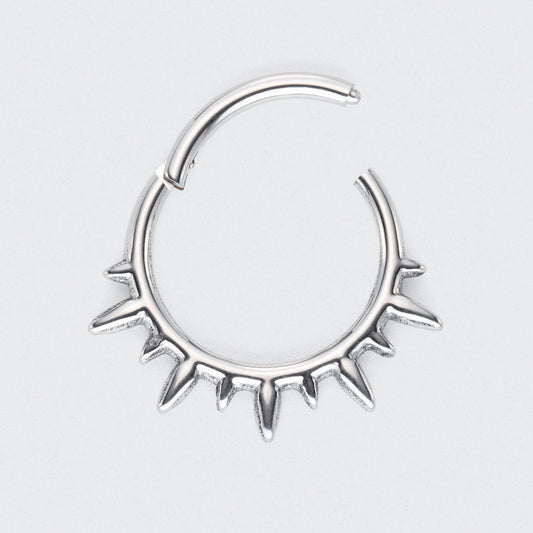
Spike Variant Segment Hoop Ring in Silver - Titanium
Regular price £11.00Regular price £11.00 Sale priceUnit price per£6.60 with 3+ items -
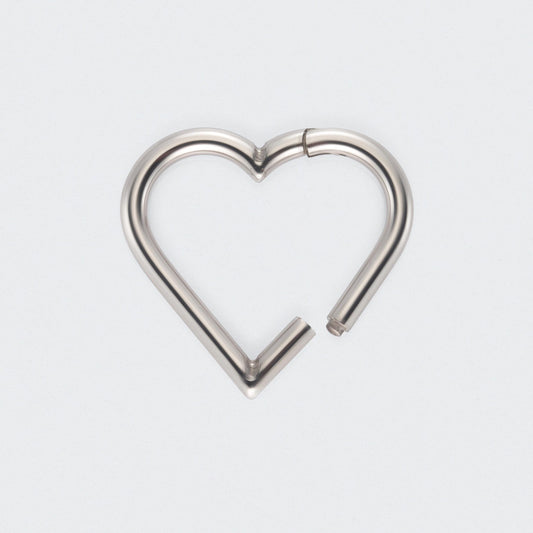
Heart Shaped Segment Clicker Ring in Silver - Titanium
Regular price £11.00Regular price £11.00 Sale priceUnit price per£6.60 with 3+ items -
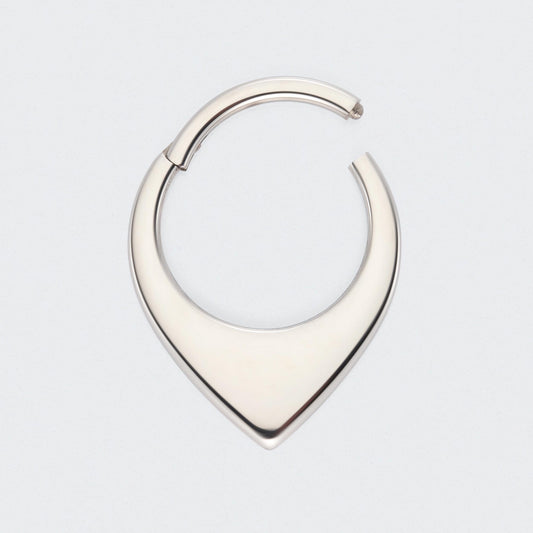
Teardrop Hinged Segment Hoop Ring in Silver - Titanium
Regular price £11.00Regular price £11.00 Sale priceUnit price per£6.60 with 3+ items -
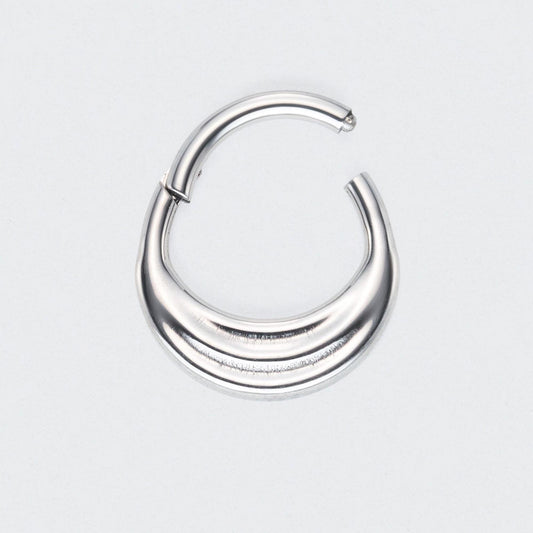
Wave Hinged Segment Ring in Silver - Titanium
Regular price £11.00Regular price £11.00 Sale priceUnit price per£6.60 with 3+ items -
Side Facing CZ Hinged Segment Clicker Ring in Gold - Titanium
Regular price £12.00Regular price £12.00 Sale priceUnit price per£7.20 with 3+ items

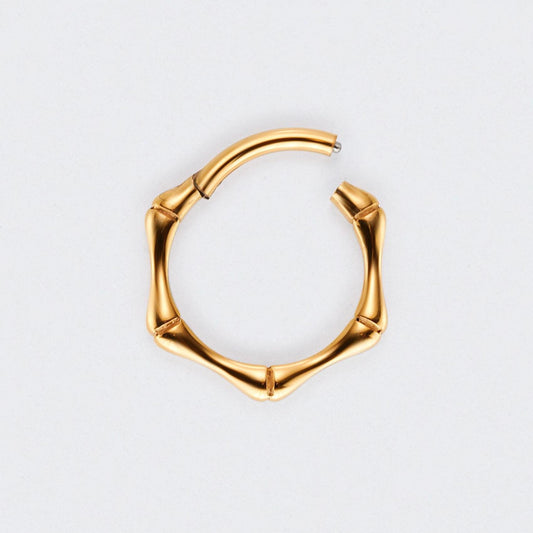

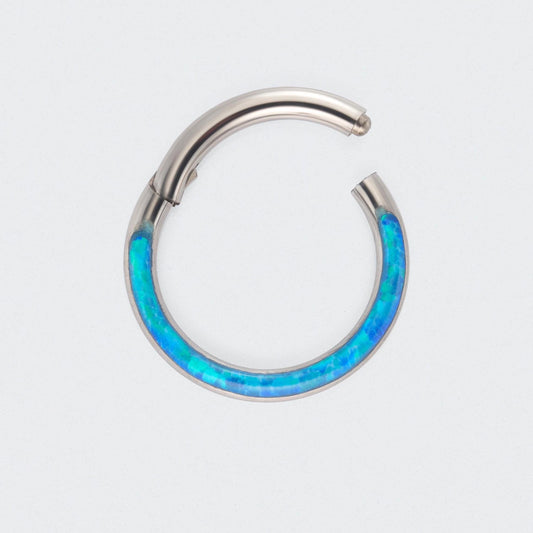

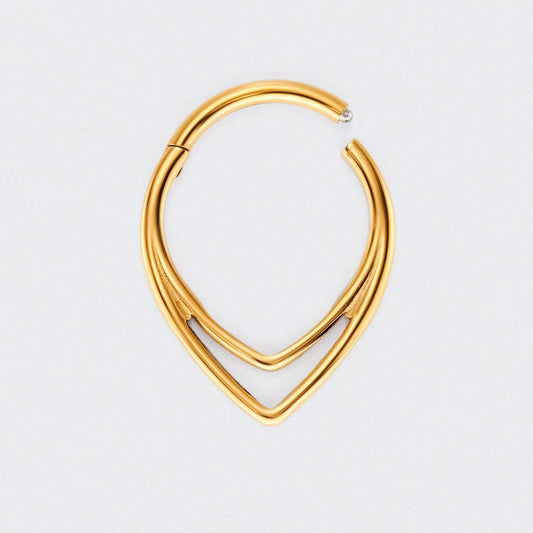

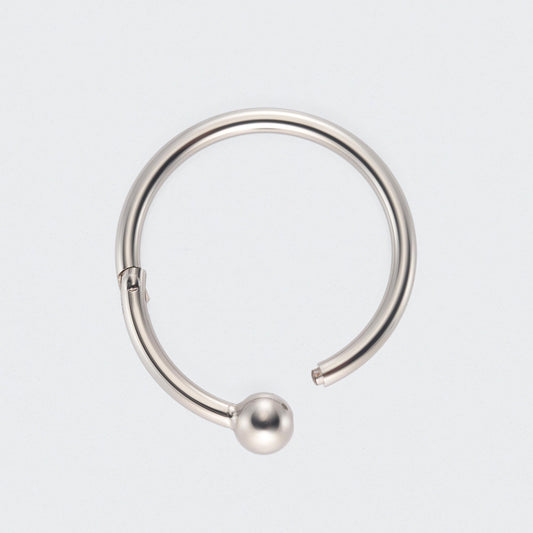





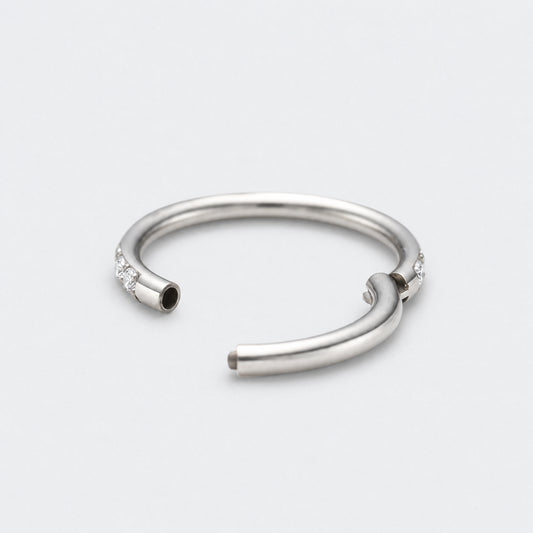

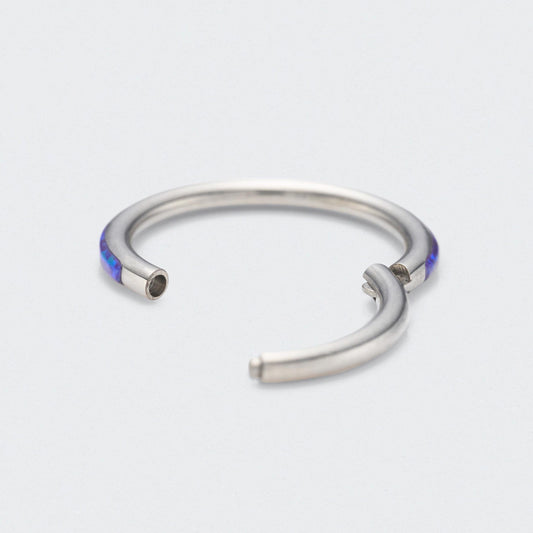

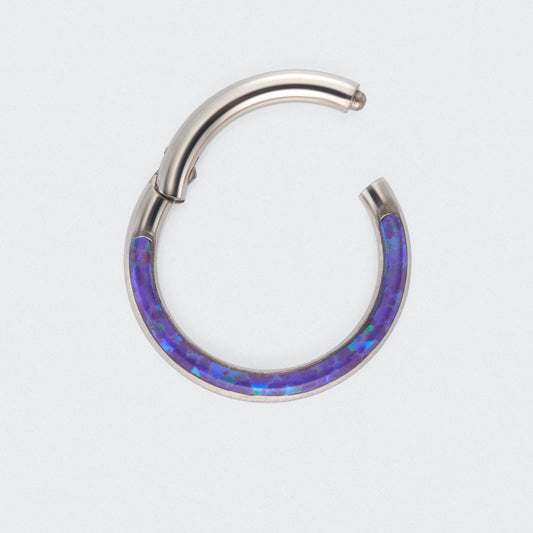

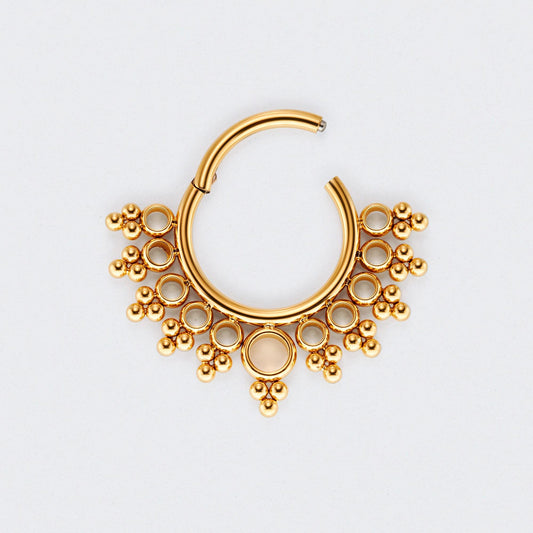

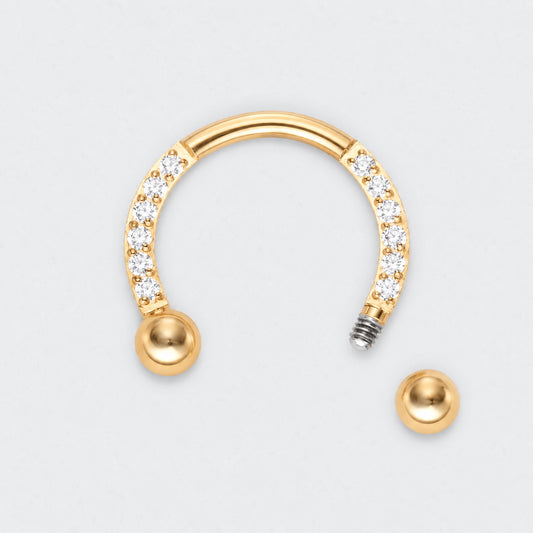

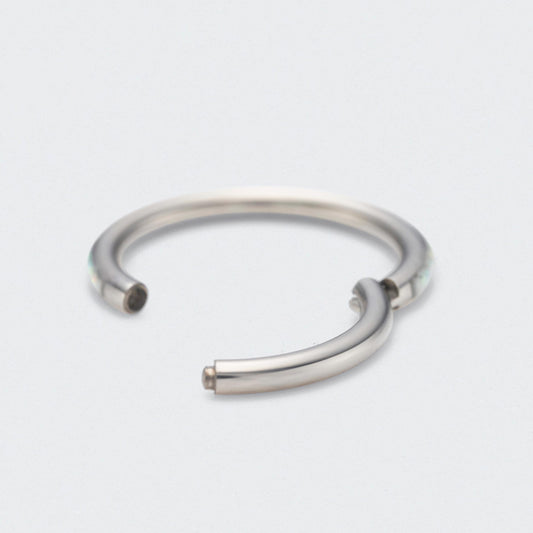

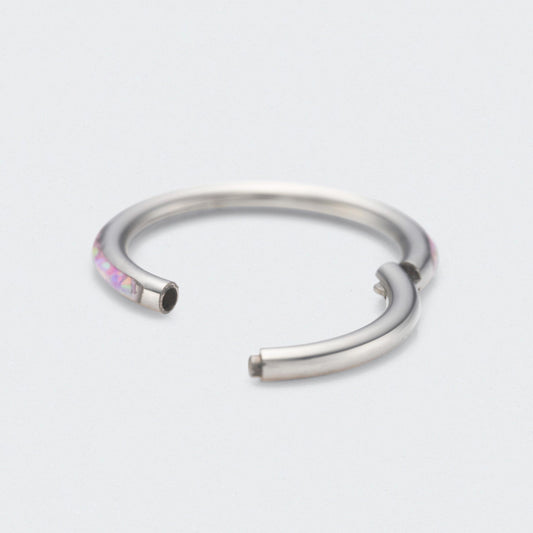


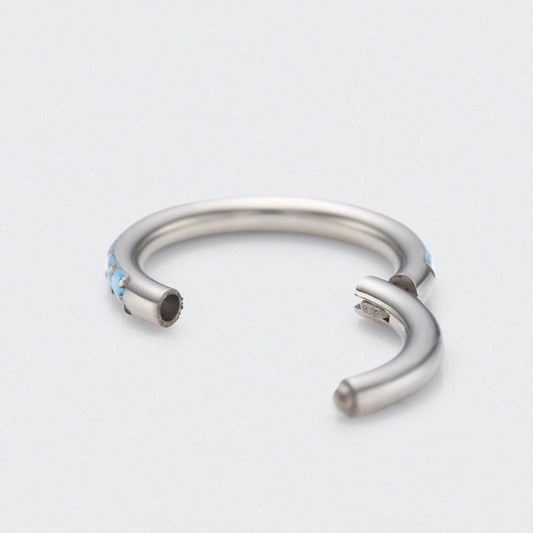





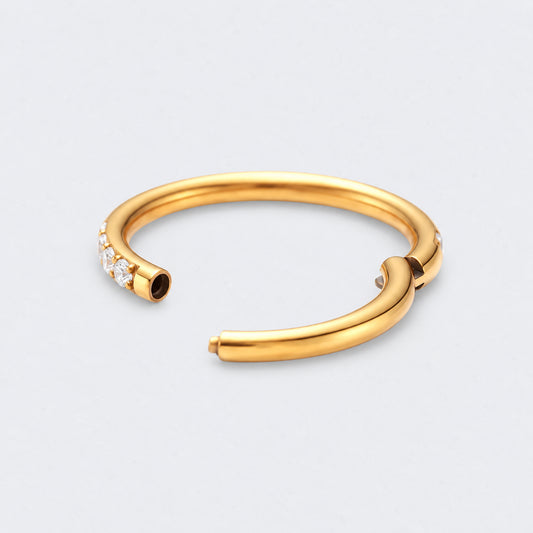
Collection: Rook | Gauge: 16g (1.2mm) | Recommended Length/Diameter: 6mm to 8mm curved barbells, 8mm rings once healed | Material: ASTM F136 Implant-Grade Titanium
The rook piercing goes vertically through the antihelix, the thick ridge of cartilage that sits above the daith and folds inward from the outer rim of the ear. It is tucked away, so it is often chosen by people who want a piercing that is more felt than seen. Because the rook passes through a fold, the jewellery has to follow the curve: curved barbells with a ball or gem at each end are the standard fit, and small hinged rings can be worn once it has healed. The rook is one of the thickest pieces of ear cartilage, so ASTM F136 implant-grade titanium is the material to start with: it is nickel-free, hypoallergenic and light, which matters for rook jewellery that is under constant pressure from the fold itself.
What size is a rook piercing?
A rook piercing is 16g (1.2mm) as standard. The initial curved barbell is usually 8mm long to leave room for swelling, and it is downsized to 6mm once the swelling has gone. A few deeper rooks stay at 8mm permanently. If you want a ring later, an 8mm inner diameter is the usual fit. Rook anatomy varies a lot between ears, so if you are replacing jewellery, check the length of your current barbell or ask your piercer.
Rook Jewellery: The Hidden Cartilage Piercing in Implant-Grade Titanium
UK piercers pierce the rook at 16g (1.2mm) and fit an 8mm curved barbell to allow for swelling, downsizing to 6mm once the initial swelling has gone, usually at 8 to 12 weeks. Not every ear has a ridge deep enough to pierce, so a good piercer will check the anatomy first. Healing is slow, typically 6 to 12 months, and the piercing can feel settled for weeks and then flare up after a knock or a night spent sleeping on it. Common mistakes include moving to a ring too early, wearing tight over-ear headphones and picking at the crust that forms around the balls. The rook sits neatly above a daith ring and beside a conch stud, and many people complete the inner ear with a tragus labret.
How painful is a rook piercing?
A rook piercing is usually rated around 6 to 7 out of 10, one of the more intense ear piercings, because the needle passes through a thick, dense fold of cartilage. The sharp part lasts a few seconds and is followed by a dull, throbbing ache for a day or two. Swelling and tenderness can continue for a couple of weeks. A correctly sized curved titanium barbell reduces pressure on the fold and keeps that early discomfort to a minimum.
How long does a rook piercing take to heal?
A rook piercing takes 6 to 12 months to heal fully, and some take up to 18 months. It is one of the slowest ear piercings to settle because the cartilage is thick and the jewellery sits inside a fold that traps moisture and gets pressed on when you sleep. Clean with sterile saline twice a day, downsize the barbell at 8 to 12 weeks, avoid headphones that press on it and leave the jewellery alone until your piercer confirms it has healed.
Can I wear a ring in a rook piercing?
A ring can be worn in a rook piercing once it has fully healed, usually after 6 to 12 months, but a curved barbell is the correct jewellery while it heals. A ring moves through the channel and puts pressure on the fold, which slows healing and often causes bumps. Once healed, a small hinged ring in 8mm works for most rooks, though the depth of the fold means some ears only ever suit a curved barbell. Ask your piercer before making the switch.