Quick Answer: Downsizing means swapping the long bar you were pierced with for a shorter one once the swelling has gone. Most piercings are fitted 2mm longer than they will need, and the swap happens at 2 to 4 weeks for oral piercings, 4 to 8 weeks for nostrils, eyebrows and lobes, 6 to 8 weeks for helix, tragus and conch, and 8 to 12 weeks for rook, daith, navel and industrial. Your piercer should do the first downsize. The signs you are overdue are a bar that sticks out, tilts, catches, or has started a bump. The sign it is too early is that the piercing is still swollen: a bar that is too short can embed in the tissue, which is worse than one that is too long.
Informational only, not medical advice. If a piercing is hot, swollen, weeping or increasingly painful, see your piercer or GP.
Downsizing is the most skipped step in piercing aftercare. Studios mention it at the counter, people forget, and months later they are wondering why a helix has a bump or a tongue bar keeps hitting their teeth. The long bar was never meant to stay in. It was fitted to make room for swelling, and once the swelling goes it becomes a lever that moves the piercing every time it is touched.
This guide explains what downsizing is and why it matters, gives a timeline for every common piercing, lists the signs that you need it and the signs it is too soon, and covers who should do it and what to buy.
What does downsizing a piercing mean?
Downsizing is replacing the initial jewellery with a shorter post or bar once the swelling from the piercing has gone down. It usually means going 2mm shorter, from an 8mm labret to a 6mm, or a 12mm belly bar to a 10mm. The gauge stays the same; only the length changes.
A fresh piercing swells. If the piercer fitted a bar that was exactly the thickness of the tissue on the day, the swelling would have nowhere to go and the ends would press into the skin. So they fit a bar with room to spare. Once the swelling subsides, at anywhere from two to twelve weeks depending on the piercing, that spare room is a problem rather than a safety margin.
The extra length lets the jewellery move. A labret with 2mm of slack rocks in the channel every time you touch it, sleep on it or catch it. A tongue bar with 3mm of slack clicks against teeth. A belly bar that stands off the skin swings and catches waistbands. None of that is dramatic on any single day, but over months it drifts the angle of the piercing, irritates the channel and is the single most common cause of the bumps covered in the piercing bumps guide.
When should I downsize? Timeline by piercing
The moment to downsize is when the swelling has gone, not when the piercing has healed. Those are different things and they happen months apart. Swelling goes in weeks; healing takes months. Downsizing happens in the gap.
| Piercing | Initial jewellery | Downsize at | Healed size | Notes |
|---|---|---|---|---|
| Tongue | 14g straight, 19mm to 22mm | 2 to 4 weeks | 14mm to 16mm | The most urgent downsize; long bars chip teeth |
| Lip, labret, Monroe, Medusa | 16g labret, 10mm to 12mm | 2 to 4 weeks | 8mm | Long posts rub the gum |
| Vertical labret | 16g curved, 10mm to 12mm | 3 to 4 weeks | 8mm to 10mm | |
| Lobe | 16g or 18g labret, 8mm | 4 to 6 weeks | 6mm | Often skipped; usually fine if it is |
| Nostril | 18g or 16g labret or stud, 7mm to 8mm | 4 to 8 weeks | 6mm | A long nostril post sticks into the nose |
| Eyebrow | 16g curved, 10mm | 4 to 8 weeks | 8mm | |
| Helix | 16g labret, 8mm | 6 to 8 weeks | 6mm | The classic cartilage downsize |
| Forward helix | 16g or 18g labret, 6mm to 8mm | 6 to 8 weeks | 5mm to 6mm | |
| Tragus | 16g labret, 8mm | 6 to 8 weeks | 6mm | |
| Conch | 16g labret, 8mm to 10mm | 6 to 8 weeks | 6mm to 8mm | Thicker cartilage; 8mm often stays |
| Flat | 16g labret, 8mm | 6 to 8 weeks | 6mm | |
| Anti-tragus, snug | 16g curved, 8mm | 8 to 12 weeks | 6mm | |
| Rook | 16g curved, 8mm | 8 to 12 weeks | 6mm | Swells more than most; do not rush |
| Daith | 16g curved, 8mm | 8 to 12 weeks | 6mm to 8mm, or a ring later | |
| Navel | 14g curved, 12mm | 8 to 12 weeks | 10mm | |
| Industrial | 14g straight, 38mm to 40mm | 8 to 12 weeks | Measured, usually 35mm to 38mm | Both holes must have settled |
| Nipple | 14g straight, 14mm to 16mm | 8 to 12 weeks | 12mm to 14mm | |
| Bridge | 14g straight, 14mm to 16mm | 6 to 8 weeks | 12mm to 14mm | |
| Septum | 16g horseshoe or ring | Usually no downsize | Same | Rings do not have a length to downsize |
These are typical windows, not deadlines. Some people swell more and for longer; some barely swell at all. The piercing tells you when, and the section below explains how to read it.
For the full gauge and length reference see the Body Jewellery Size Chart.
How do I know it is time to downsize?
When the piercing is no longer swollen and you can see spare bar: the disc or ball stands away from the skin, the jewellery tilts or rocks when touched, or it catches on things it did not catch on in the first fortnight. If those are true and the piercing is otherwise calm, it is time.
| Sign | What it means |
|---|---|
| 2mm or more of bare bar visible between the skin and the top | Swelling has gone; the bar is now too long |
| The top tilts to one side or rocks when you touch it | Too much slack in the channel |
| The jewellery catches on hair, towels, masks or clothing more than it did | It is sitting further out than it should |
| A tongue bar clicks against your teeth or you bite it | Overdue; downsize urgently |
| A lip post rubs your gum on the inside | Overdue |
| A belly bar's top ball stands off the skin | Overdue |
| A bump has appeared at the hole | Very possibly overdue; the rocking bar is a common cause |
| The piercing was calm and is now irritated for no obvious reason | Check the length first |
If you are unsure, go to the piercer. A good piercer will look at it and tell you in seconds whether it is ready, and the downsize itself takes a minute or two.
How do I know it is too early?
If the piercing is still swollen, tender, red or producing more than a little crust, do not downsize yet. A bar that is too short for a swollen piercing presses its ends into the tissue and can embed, where the skin swells over the disc or ball. Embedding is a real problem that needs a piercer, and it is caused by downsizing too early or too far.
The goal is a bar that sits close to the skin with a little room, not one that is tight. If a shorter bar leaves a dent in the skin at either end, it is too short for now. Go back to the longer one and wait another week or two.
| Too early | Ready |
|---|---|
| Still swollen; skin looks tight or shiny around the hole | Swelling gone; skin looks normal |
| Tender when pressed | Comfortable when pressed |
| Red around the holes | Skin colour normal |
| Crust every day | Little or no crust |
| Less than 2 weeks for oral, less than 4 for cartilage | Inside the window in the table |
| A shorter bar would leave a dent | A shorter bar sits close with a little room |
Embedding shows as the disc or ball sinking into the skin, sometimes with the skin closing over it. It is painful and needs a piercer to remove the jewellery and fit a longer bar; do not try to dig it out. It is uncommon when downsizing is done at the right time to the right length, and common when someone buys the healed size online and puts it in at week two.
Who should do the downsize?
Your piercer, the first time. They will check the swelling has gone, measure the tissue, fit the exact length, and see anything you cannot. After that, like-for-like changes at home are fine once the piercing is healed. Most studios charge a small fee for the swap and some include it in the piercing price; ask when you are pierced.
There are three reasons to let the piercer do it. They can measure the thickness of the tissue, which you cannot do accurately on your own ear. They can tell swelling from healed tissue by feel. And they have a range of lengths in the drawer, so if 6mm turns out to be too short they can fit 7mm on the spot rather than leaving you with a piece you bought online that does not fit.
The one downsize people commonly do themselves is the tongue, because it is easy to reach and the urgency is real. If you do it, do it with a bar of the length the piercer told you, and go to the studio if the shorter bar is uncomfortable.
The changing guide covers the mechanics of each jewellery type for later changes.
What should I buy for a downsize?
The same gauge, the same style, the same metal, and 2mm shorter. For a labret piercing that means a 16g flat-back labret in the healed length; for a barbell piercing, a straight or curved barbell in the healed length; for a navel, a 14g curved bar at 10mm. Do not change the type of jewellery at the downsize; that is a separate decision for once the piercing has healed.
| Piercing | Buy | Not yet |
|---|---|---|
| Helix, tragus, conch, flat, lobe, nostril | 16g flat-back labret, 6mm (conch often 8mm) | Rings, hoops, clickers |
| Lip, labret | 16g flat-back labret, 8mm | Rings |
| Tongue, nipple, bridge | 14g straight barbell, healed length | Anything decorative or heavy |
| Rook, daith, eyebrow, snug, anti-tragus | 16g curved barbell, 6mm | Rings |
| Navel | 14g curved belly bar, 10mm | Belly clickers |
| Industrial | 14g straight bar, measured length | Chains, centre pieces |
A plain Straight Barbell with Balls in Silver in 16g comes in 6mm, which is the healed length for helix, tragus and lobe, and is the piece a piercer would reach for on a piercing that started with a straight bar rather than a labret.

Our labrets are 16g with an 8mm post, which is the healed length for conch and lip piercings and the initial length for most cartilage; for a helix or tragus downsize to 6mm, ask your piercer to fit the post and choose the top afterwards. The Star Labret in Silver is a typical conch or lip healed piece.

For a navel, the Oval Cut Prong Set CZ Belly Bar in Silver is the standard 14g 10mm healed size that most people downsize into from 12mm.

Is downsizing the same as healing?
No. Downsizing happens when the swelling has gone, which is weeks in. Healing is when the channel inside the tissue has fully formed, which is months in. A downsized piercing is still a healing piercing and still needs saline and leaving alone. Confusing the two is how people end up putting hoops in at week eight.
| Downsizing | Healed | |
|---|---|---|
| What has happened | Swelling has subsided | Channel fully formed, tissue mature |
| When | 2 to 12 weeks depending on piercing | 2 months (lobe, lip) to 12 months (cartilage, navel) |
| What changes | Bar length only, 2mm shorter | Free choice of jewellery type |
| Rings allowed | No | Yes |
| Decorative or heavy pieces | No | Yes |
| Still needs saline | Yes | No |
| Still avoid sleeping on it | Yes | Preferably |
After the downsize, the piercing carries on healing in the shorter bar. That bar stays in, with saline and no fiddling, until the piercing meets the healed criteria: no tenderness, no swelling, no crust, no redness for at least a month. Then, and not before, rings and everything else become options. The helix guide and tragus guide cover that next stage.
What happens if I never downsize?
Usually one of four things over the following months: the piercing develops a bump, the angle drifts so the jewellery sits crooked, the piercing stays irritated and never quite heals, or the jewellery catches badly enough to tear. For oral piercings, add chipped teeth and receding gums. Some people get away with it. Most get at least one of the above.
The lobe is the exception where skipping is often harmless, because the tissue is soft and the long bar has room to sit without levering. Cartilage is the opposite. A rocking 8mm labret in a helix or tragus is the single most common thing a piercer sees when someone comes in with a bump at six months, and the fix is the downsize that should have happened at week six.
Tongue bars are the urgent one. A 19mm bar left in after the swelling has gone sits with several millimetres of slack, and every time the tongue moves the ball taps the teeth. Enamel damage from a long tongue bar is permanent.
Common downsizing mistakes
Never doing it. The most common. Put a reminder in your phone for the window in the table.
Doing it too early. A short bar in a swollen piercing embeds. Wait for the swelling to go.
Going more than 2mm shorter. The healed length is usually 2mm less than the initial. Going straight to a very snug fit is how bars embed.
Buying the healed size at the same time as the piercing and putting it in at week two. Buy it, keep it in the packet, and let the piercer fit it when the swelling has gone.
Switching to a ring at the downsize. Downsizing changes length, not type. Rings wait for full healing.
Downsizing an industrial when only one hole has settled. Both holes have to be ready.
Ignoring a tongue bar that clicks on your teeth. Downsize it this week.
How Oxies does it
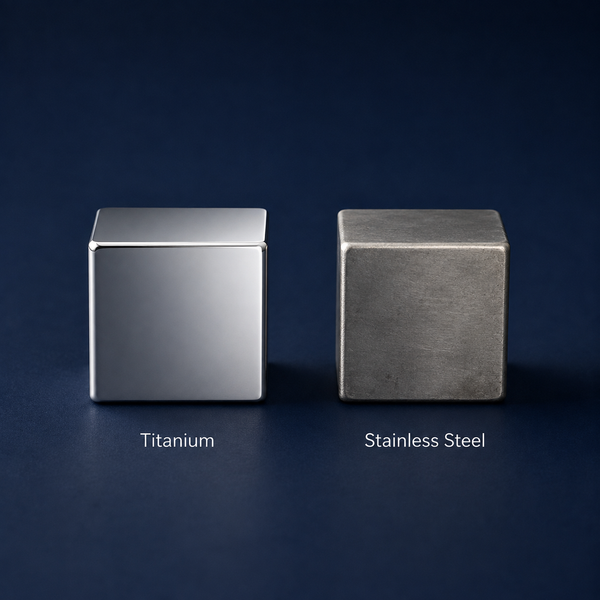
Every piece we sell is ASTM F136 implant-grade titanium in the lengths piercers actually fit. Straight barbells are 16g from 6mm, which covers the healed helix, tragus and lobe; labrets are 16g at 8mm for conch and lip; belly bars are 14g at 10mm; industrials are 14g at 35mm to 38mm. Every order is sterilised before it is posted, so a downsize piece is ready to fit. Pieces start at £8, UK delivery is free over £25, and two pieces save 25% while three or more save 40%, which suits buying the healing length and the healed length together. Browse titanium barbells and labrets.
Frequently asked questions
What does it mean to downsize a piercing?
Swapping the long bar fitted at the piercing for a shorter one, usually 2mm shorter, once the swelling has gone down. The gauge stays the same. It stops the jewellery rocking in the channel, which is the main cause of bumps, angle drift and slow healing.
How long after a helix piercing should I downsize?
6 to 8 weeks, once the swelling has gone and the 8mm labret has visible slack. The healed length is usually 6mm. Have your piercer do it; they will check the swelling and measure the tissue. Leaving the 8mm in for months is the most common cause of a helix bump.
When should I downsize my tongue piercing?
At 2 to 4 weeks, as soon as the swelling has gone, from around 19mm to 14mm to 16mm. This is the most urgent downsize of all: a long tongue bar taps against the teeth with every movement and can chip enamel. If your bar clicks on your teeth, downsize it this week.
When can I downsize my belly bar?
At 8 to 12 weeks, from the 12mm fitted at the piercing to 10mm. The sign is the top ball standing off the skin above the navel. The piercing is not healed at that point, so it stays a curved bar; belly clickers and decorative pieces wait for 6 to 12 months.
Can I downsize my piercing myself?
The first downsize is best done by a piercer, who can measure the tissue and check the swelling has gone. After that, like-for-like changes at home are fine once the piercing has healed. The tongue is the one many people do themselves because it is easy to reach and the urgency is real; use the length your piercer told you.
What happens if you downsize too early?
The shorter bar presses its ends into tissue that is still swollen and can embed, where the skin swells over the disc or ball. It is painful and needs a piercer to fit a longer bar again. Wait until the swelling has fully gone and the current bar has visible slack.
Is downsizing the same as changing jewellery?
No. Downsizing changes only the length, to a shorter version of the same type, while the piercing is still healing. Changing jewellery to a ring, a different style or a decorative piece waits until the piercing has fully healed, which is months later. Do the downsize first and the style change second.
How much shorter should the downsize be?
Usually 2mm. An 8mm labret becomes 6mm, a 12mm belly bar becomes 10mm, a 19mm tongue bar becomes 14mm to 16mm. The shorter bar should sit close to the skin with a little room, not tight. If it leaves a dent at either end, it is too short.
Key takeaways
- Downsizing means a shorter bar, usually 2mm shorter, once the swelling has gone. The gauge and type stay the same.
- Oral piercings downsize at 2 to 4 weeks, nostrils and eyebrows at 4 to 8, helix, tragus and conch at 6 to 8, and rook, daith, navel and industrial at 8 to 12.
- The signs you are due: visible bare bar, a top that tilts or rocks, catching, a tongue bar hitting teeth, or a new bump.
- The sign it is too early: the piercing is still swollen or tender. A bar that is too short can embed.
- Let the piercer do the first downsize. They measure the tissue and have every length to hand.
- Downsizing is not healing. The piercing stays in a bar, with saline, until it is fully healed months later. Rings wait.
- Never downsizing is the most common cause of cartilage bumps and, for tongues, of chipped teeth.
- Buy the same gauge, same style, same metal, 2mm shorter, and let the piercer fit it at the right time.
Time for the downsize? Browse implant-grade titanium labrets and barbells in healed lengths from £8, sterilised and posted free in the UK on orders over £25.